







Search Results for: Double Yuzu

Peet's Summer New Drink Review: Why Bubble Matcha Double Yuzu Divides Opinions
In the scorching summer heat, Peet's Coffee launched a trio of sparkling double yuzu series new products in one go, among which the Sparkling Matcha Double Yuzu quickly went viral on social media thanks to its fresh gradient colors. However, this drink, described as a "concerto of tea and fruit," left many consumers stunned once they actually tasted it—the sweetness of tonic water, the bitterness of matcha, and the sourness of yuzu each went their own way under the stimulation of carbonation, even taking on a powdery texture. Even Peet's own employees admitted that this new product being "unpopular" was entirely expected. This article combines netizens' hands-on reviews and employee opinions to comprehensively analyze the flavor performance of this drink, and reviews the recent shifts in Peet's product strategy, for the reference of coffee enthusiasts. [more…]
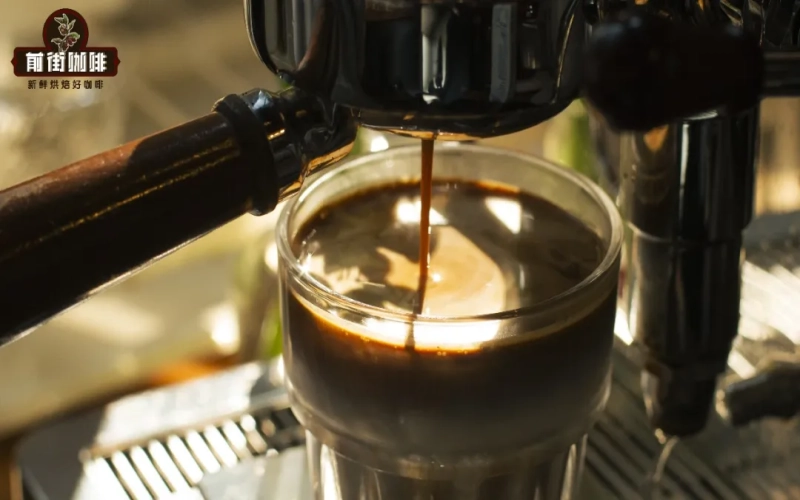
Salted Yuzu Dirty Recipe Detailed Guide: Key Techniques and Ingredient Ratios to Solve Milk Curdling Caused by Yuzu Juice
In recent years, the salted pomelo Dirty has become quite popular online, but many people frequently fail when trying to recreate it at home. The core difficulty lies in the acidity of the pomelo juice, which causes milk proteins to denature and curdle, seriously affecting the taste. Through multiple experiments, Front Street has found a method that is closer to the original: using concentrated pomelo juice combined with sucrose syrup to make a homemade pomelo syrup, then combining it with milk and espresso, and finally sprinkling on sour plum powder to create a unique experience of intertwined salty and sweet flavors. This article will share the complete production parameters and flavor layers of this drink, from material selection, syrup ratios, coffee bean recommendations, to specific operating steps, helping coffee enthusiasts make a rich, well-balanced salted pomelo Dirty at home. [more…]

Luckin's Pomelo C Series is hailed as a fat-burning miracle, but testing shows that although its calories are low, it raises blood sugar fairly quickly, so those trying to lose fat should be cautious.
After the Luckin Yuzu C series returned, it quickly became popular, and many people on social platforms have hailed it as a "fat-flushing miracle," with claims even circulating that "one cup can make you lose two jin." However, actual test data show that although a single cup of the Yuzu C series contains about 105 to 150 calories, blood sugar rises fairly quickly after drinking it, and the blood sugar increase of Yuzu C Iced Tea can reach 5.1 half an hour after a meal. In addition, the formula contains high-fructose corn syrup and white granulated sugar, so so-called 0 fat does not equal low sugar. For people who need to lose fat or control blood sugar, this drink may not only fail to help with weight loss, but may instead promote fat synthesis and increase hunger due to a large secretion of insulin. This article, combining netizen reviews and formula information, restores the true picture of the Luckin Yuzu C series. [more…]
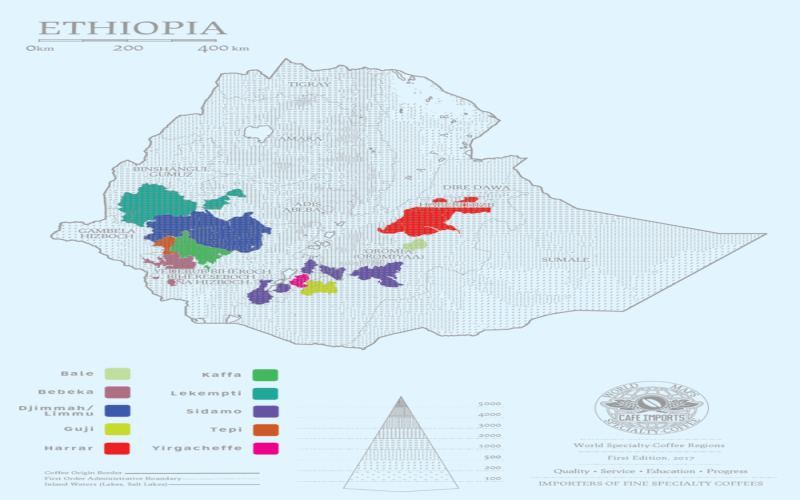
Exploring Ethiopia's Three Major Specialty Coffee Regions: Flavor Profiles and Brewing Highlights of Yirgacheffe, Hambela, and Uraga
As the birthplace of Arabica coffee, Ethiopia possesses an enormous resource of native varieties, earning it the reputation of a natural gene bank, and it has also given rise to many world-renowned specialty coffee regions. This article will review the terroir characteristics and representative bean flavors of three major regions—Yirgacheffe, Sidamo Hambela, and Guji Uraga—and, drawing on Front Street Coffee's brewing experience, provide specific grind sizes, coffee-to-water ratios, water temperatures, and staged pouring plans for Yirgacheffe, Huakui, and the Uraga champion bean, helping coffee enthusiasts more consistently reproduce the signature flavors of floral notes, citrus, and honey pomelo tea in their daily pour-over brewing. [more…]

1 Dian Dian's co-branded San Pellegrino Sparkling Tea sparks controversy: the complimentary sparkling water turns out to be opened leftover materials
Recently, 1 Dian Dian partnered with Italian mineral water brand San Pellegrino to launch two limited-edition new products, "Grape Sparkling Tea" and "Double Yuzu Sparkling Tea," sold as combo sets. Consumers could receive a store-made sparkling tea, a bottle of San Pellegrino sparkling water, and limited-edition packaging all at once. However, after the new products launched, many consumers discovered that the complimentary San Pellegrino sparkling water included with their order had already been opened, with only a small amount of liquid remaining in the bottle, sparking concerns about beverage hygiene and delivery safety. Some delivery users also reported not receiving the sparkling water or the limited-edition packaging, which did not match the official promotion. In response, some netizens explained that the complimentary sparkling water was actually leftover material from making the sparkling tea, a routine practice in tea shops. But some consumers still believed that after opening, the carbon dioxide in the sparkling water easily escapes during delivery, greatly diminishing the taste, and suggested that the brand directly provide unopened products so customers can mix it themselves. This article will delve into the ins and outs of this incident and the various viewpoints of all parties. [more…]

Starbucks' Tea Beverage Journey: From Teavana Stores to Market Exploration with Starbucks Tea & Cafe in Japan
Since Starbucks acquired Teavana, a tea company, in 2012, it has continuously explored the possibilities of the tea beverage business in North American and Asian markets. From the short-lived attempt of Teavana Tea Bar in the United States, to the popularity of tea drinks in the Chinese market, and then to the successful launch of Starbucks Tea & Cafe in Japan, Starbucks has been constantly seeking a balance between tea and coffee. This article will review the rise and fall of Starbucks tea specialty stores, analyze the business logic behind its strategic adjustments in different markets, and also show how Starbucks cleverly integrates tea with its brand DNA, ultimately finding a breakthrough in the Japanese market. [more…]
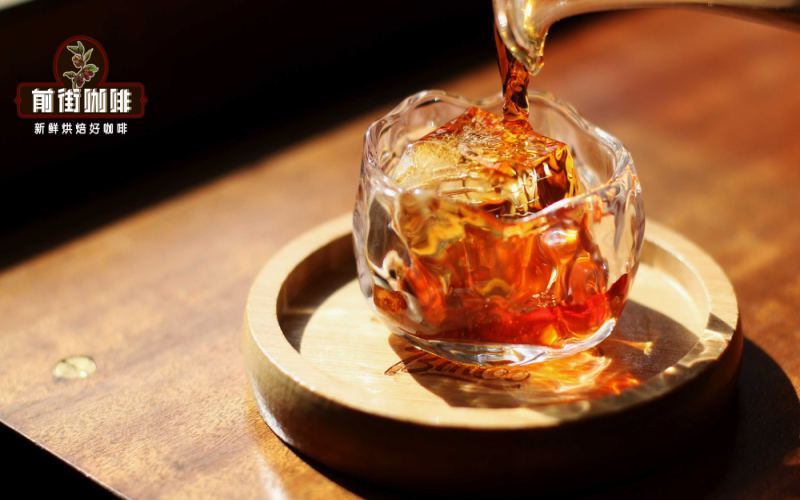
Why Does Cold Brew Coffee Have a Unique Flavor? How Does It Compare to Hot Coffee? Plus Four Front Street Cold Brew Bean Recommendations
Iced coffee is refreshing and cuts through richness, and even in the depths of winter, many customers make a special trip to Front Street to order a cup. Cold brew and hot brew have completely different extraction principles, and their flavor profiles each have their own strengths. This article begins with the origins of cold brew coffee, sorts out the flavor logic of low-temperature slow extraction, and shares details to note when making cold brew, such as bean selection, grinding, coffee-to-water ratio, and steeping and storage. It also presents four floral-and-fruity Front Street single-origin beans suitable for cold brew—Natural Huakui, Kenya Little Tomato, Colombia Sidra, and Panama Butterfly—to help you find your own cup of icy, sweet-tart refreshment. [more…]
Cold Brew Coffee Unique Flavor Analysis: A Complete Guide to Low-Temperature Extraction Principles, Taste Differences, and Key Production Points
Cold brew coffee has grown increasingly popular among coffee enthusiasts in recent years, and even in the cold season, some people still make a special trip to Front Street stores to order a chilled cold brew. It uses cold water to steep coffee grounds for a long time at low temperature, and its extraction principle is completely different from hot brewing, so the flavor performance also differs noticeably. This article will begin with the historical origins of cold brew coffee, compare its differences from hot coffee in taste and extraction mechanism, and share Front Street's summarized cold brew-making recommendations, including coffee bean selection, grind size and coffee-to-water ratio, steeping time, and storage methods. It will also recommend four single-origin beans with floral and fruity notes suitable for cold brew, helping you make a cup of sweet-and-tart, icy, refreshing cold brew with distinct layers at home. [more…]
2022 Front Street Coffee Specialty Roasted Bean Price List: A Bean-Hunting and Roasting Journey from Ethiopia to Yunnan
Front Street Coffee (FrontStreet Coffee) cups hundreds of sample lots every year, and in the end only around fifty make it onto the menu—a testament to how rigorous its selection standards are. The 2022 new-crop menu covers origins including Ethiopia, Kenya, Papua New Guinea, Indonesia, Jamaica, Hawaii, Panama, Costa Rica, Colombia, Brazil, Honduras, and Yunnan, China. Processing methods range widely, from washed and natural to wet-hulled and barrel-fermented. This article provides a complete rundown of each coffee's origin background, variety information, processing method, flavor description, and price, making it easy for coffee lovers to choose what they need. [more…]
A Deep Dive into the Origins, Cultivation Characteristics, and Roast Profiles of Geisha Coffee Beans
Geisha is an heirloom Arabica variety originating from Ethiopia, yet it blossomed in Panama with a flavor that stunned the specialty coffee world. Its tree is tall and slender with narrow leaves and low yields, and it is extremely picky about its growing environment—yet in high-altitude regions it can express jasmine florals, citrus sweetness, and delicate acidity. From its discovery in 1931 to its arrival in Panama in 1960, Geisha's backstory is far more complex than one might imagine. This article will trace Geisha's varietal origins, botanical characteristics, and flavor expression, and explore the roast level suited to it, helping coffee lovers gain a comprehensive understanding of this coffee hailed as the "Queen of Specialty Coffee." [more…]
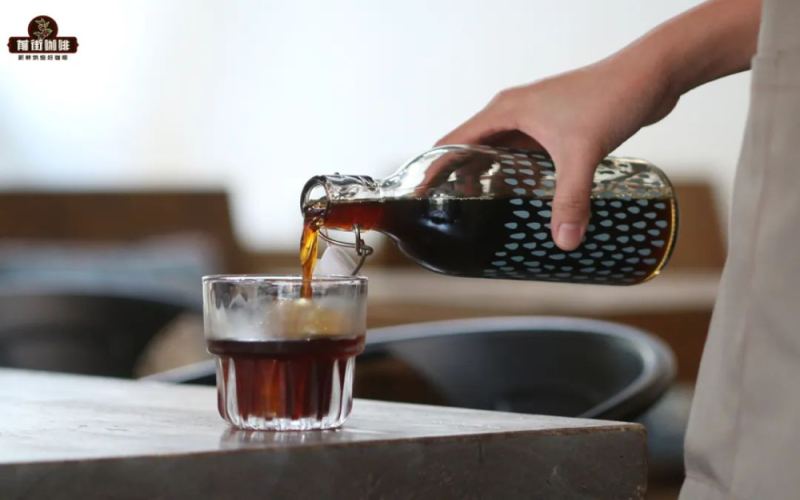
What are the taste characteristics of cold brew coffee? What key points should be noted when making cold brew coffee at home? How does Honduran Sherry cold brew coffee taste?
The reason people usually love cold brew coffee is its rich, smooth mouthfeel, with just the right acidity and sweetness, and it's neither astringent nor bitter. If you use fermented-flavor coffee beans to make it, the cold brew will also present a rich wine-like aroma, just like drinking a chilled fruit wine. How do you make cold brew coffee? Many friends have become hooked on [more…]
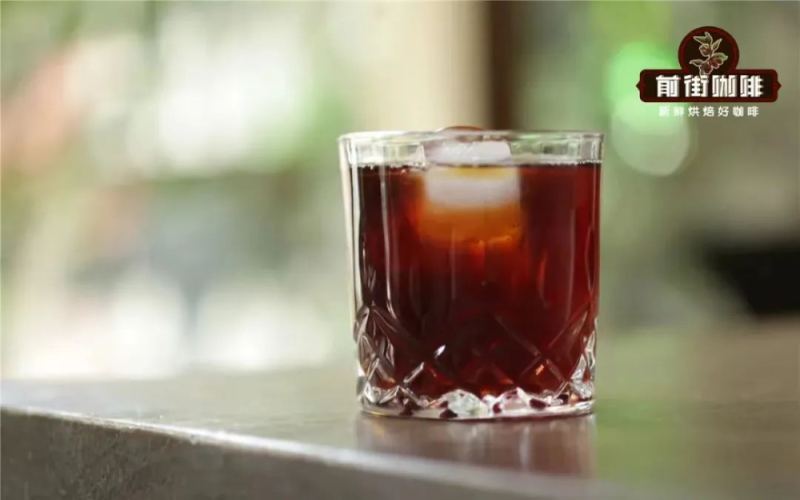
A Complete Analysis of the Flavor Differences Between Cold Brew and Hot Coffee: From Historical Origins to a Guide to Bean Selection and Brewing
In the heat of midsummer, iced coffee becomes a favorite for many, with cold brew and ice drip frequently selling out. But how exactly does cold brew coffee differ in taste from hot coffee? This article, from the perspective of Front Street, traces the historical origins of cold brew coffee, compares its flavor characteristics with those of high-temperature extracted coffee, and takes an in-depth look at selecting coffee beans suitable for making cold brew. Whether you prefer a refreshing floral and fruity profile or are fond of fermented, wine-like notes, you'll find a cold brew solution that suits you here. [more…]

Ice Eye B75 Flat-Bottom Dripper Review: How a Large-Hole Design Unlocks Coffee's High Sweetness and Cleanliness
Front Street Coffee has previously introduced the concave-designed conical Ice Pupil dripper, and today we bring its younger sibling—the Ice Pupil B75. This flat-bottom dripper, co-designed by Li Jinlong and Timemore in 2022, gets its name from the Basket and its 75° angle. It features a 5cm extra-large drainage hole and a thick-walled heat-retaining structure, bringing the coffee bed closer to a cylindrical shape, allowing for smooth and even drainage. Front Street conducted both hot and iced brewing tests using Ethiopian 74158 Santa Vini and Emerald Green Label Geisha: during hot brewing, the B75 maintained a stable flow rate throughout, completing extraction in 2 minutes and 9 seconds, with prominent notes of dried mango, strawberry, and black tea, and an extremely strong sweetness; during iced brewing, it presented a balanced juice-like quality of honey, cream, and mandarin orange. The B75 is also very friendly to beginners who are not skilled at flow control, making it a powerful tool for amplifying the strengths of sweet beans. [more…]
How can you make pour-over coffee present a green tea-like mouthfeel and sweet aftertaste? Front Street shares three brewing details.
People often say a certain coffee has a "tea-like" quality, yet when you buy it and brew it at home, you can never quite reproduce that flavor—either it turns out bitter, or it has the floral and fruity notes but doesn't taste like tea. What exactly is the tea-like quality in coffee? Which beans are more likely to express this character? Front Street Coffee believes the key lies in three extraction details: choosing a flat-bottom dripper to create an immersion effect, increasing the water volume to promote the release of compounds in the tail end, and reducing the flow rate to extend the extraction time. This article uses an Ethiopian washed Kafa Forest as an example to fully demonstrate a brewing recipe that can bring out a green-tea-like fresh aroma and sweet aftertaste, breaking down everything from parameters to technique, helping you turn "tea-like" from a description into a real taste in your cup. [more…]
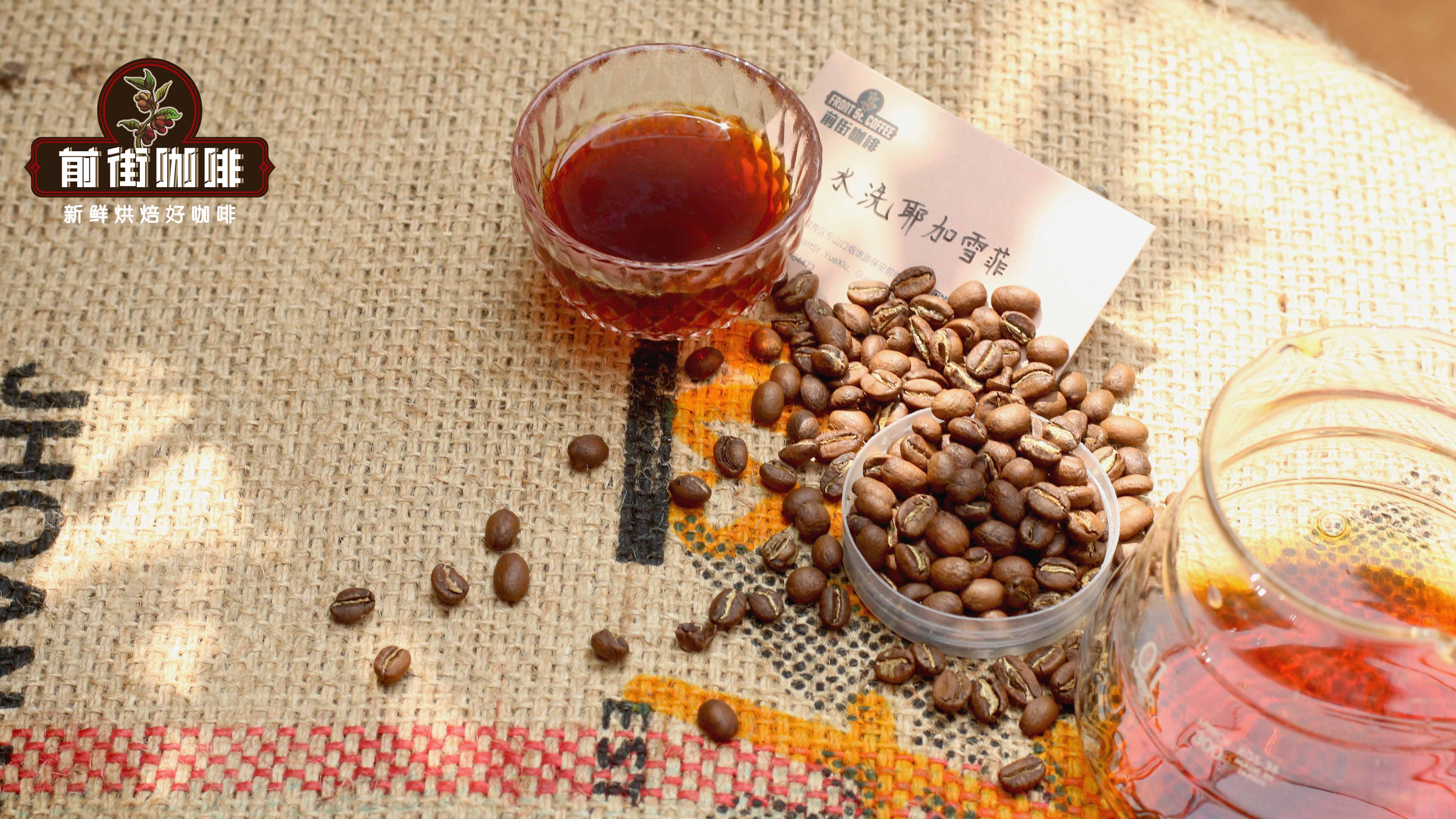
An Analysis of the Flavor Origins, Classic Bean Varieties, Roasting and Brewing, and Drinking Windows of Bright, Acidic Coffees
Stepping into a café and facing a bewildering array of single-origin coffees, drinkers often express their preferences in terms of bitterness and acidity. Front Street Coffee analyzes the origins of acidity and bitterness: genes and terroir lay the foundation (African beans are more acidic than Brazilian ones, and Colombian beans are more bitter than Kenyan ones), while roasting and brewing determine the final taste—light roasts highlight acidity, dark roasts emphasize bitterness. This article uses Front Street Coffee's bean lineup to take stock of the acidity-leaning camp: Ethiopian Yirgacheffe (lemon-citrus acidity with jasmine), the newly added COE #22 and TOH washed champion, Kenyan Asalia (cherry tomato and smoked plum acidity, 72-hour washed with a juicy mouthfeel), and Tanzanian Kilimanjaro (mineral-water sweetness with floral and fruity notes, the gentleman of coffees), with detailed coverage of roasting, cupping, and pour-over. Acidity-loving drinkers are advised to prioritize the above origins and choose beans according to taste. [more…]
What exactly does "tea-like" mean in coffee tasting? From sweet aftertaste and salivation to astringency analysis, interpreting the difference between tea-like and astringent sensations
In coffee flavor descriptions, "tea-like" is a concept widely used in China yet constantly debated. Some people understand it as the aroma of a certain kind of tea, some think it is simply the astringency that returns in the mouth, and still others categorize it as a lingering finish reminiscent of tea broth. This article begins with the bitterness and astringency of tea, then sorts through the causes of sweetness returning and saliva being produced, and next draws on the principle of retronasal olfaction to explain why coffee can bring out a tea-like quality, while also clarifying that tea-like and astringent are not equivalent. The article also combines tasting examples from several Front Street Coffee beans to show that the very same "tea-like" quality may be defined very differently in each person's mind. [more…]
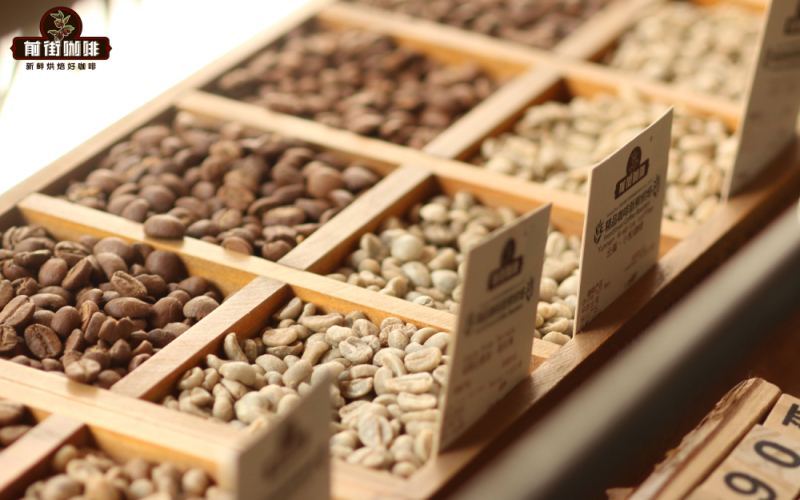
A Complete Analysis of Ethiopia's Sidama Region: Sidamo Coffee Flavor Characteristics and the Development of the Huakui Series
Sidamo is one of Ethiopia's three major coffee-producing regions, sharing its fame with Yirgacheffe and Harrar. Thanks to the fertile land stretching south of Lake Awasa across the East African Rift Valley and altitudes of 1,500 to 2,200 meters, coffee cherries here take longer to grow, resulting in pronounced fruity sweet-and-tart flavors and a striking aroma. The natural (dry) processing method gives Sidamo a wild berry-cream character with a heavy, smooth mouthfeel, and it has repeatedly performed well in green bean competitions such as the COE and TOH. Several Sidamo products on the shelves of Front Street Coffee have drawn considerable attention, among which the Huakui series has seen its popularity keep climbing since winning the championship in 2017 and has now developed to its eighth generation. This article will walk through the region's characteristics, its competition performances, the naming logic behind Huakui, and brewing recommendations to present a complete picture of Sidamo coffee's flavor profile. [more…]

From a 7-Million-Follower Blogger to US Barista Champion: How Morgan Eckroth Redefines the Meaning of Competition
At the recently concluded United States Barista Championship, Morgan Eckroth from Portland, Oregon, took the crown. Unlike most competitors, she was already a coffee influencer with over 7 million followers before the competition, and she made her entire preparation and competition process public through vlogs and livestreams. Taking the home coffee community that emerged after the pandemic as her theme, she shared her recipes and approach in advance, advocating that coffee should be delicious, replicable, transformative, and easy to make at home. This article will walk you through her competition journey, bean selection strategy, and creative recipes, and use them to explore the bottlenecks facing the Barista Championship and the shift in coffee consumption patterns in the post-pandemic era. [more…]
Coffee Flavor Map | How Can Coffee Beginners Train and Build Their Coffee Sensory System? Are Aroma Kits Helpful for Coffee Flavor Tasting?
As coffee has gradually become more widely recognized, specialty coffee promotion in cafés has emerged in response, and we too have begun tracing things back to their roots—we have come to treat coffee as culture. The rise of specialty pour-over coffee undoubtedly reflects the demands of the market and the needs that cafés have identified. Café counters have also begun to lower their "status," no longer featuring the early design of a bar raised a foot high. [more…]
A Comprehensive Analysis of Geisha Coffee Flavor Grades: From Hacienda La Esmeralda's Red, Green, and Blue Labels to Washed and Natural Processing Methods
How did Geisha coffee leap from a wild variety in Ethiopia to become Panama's national treasure-level specialty bean? From the perspective of Front Street Coffee, this article traces Geisha's discovery and rise to fame at Hacienda La Esmeralda, explains in detail the quality differences between Red Label, Green Label, and Blue Label under Panama's altitude grading system, and compares the influence of natural and washed processing methods on flavor direction. The article also includes complete parameters for three Front Street Coffee Geisha products, as well as the specific steps and tasting notes for V60 three-pour brewing, making it suitable for enthusiasts who want to gain a deeper understanding of the Geisha coffee flavor system. [more…]